Hard Tech & Science – Retrieving the Rover
The core is the mission. The rover is already down there. You do not get both for free.
Moon base hard science fiction: air, water, power, and the narrow buffers that keep the Habs alive.
A robot had already gone into the dark and did not come back. That is not a metaphor. It is mass, slope, thermal, and a core sample that may or may not still be in the vehicle. Descent into Darkness is the meeting where the crew has to decide whether hardware on the crater floor is a prize or a tax on the only mission that justifies being at the pole.
Last Thursday was Permanent Shadow: the rim, the mouth of Hell, ice that never sees the Sun. This is the other half of the same clock. You cannot spend the EVA twice.
The Constraint
Polar lighting, polar thermal, polar comms. None of it is the equatorial belt Conrad still sits on. A pressurized rover on the lander is one vehicle. Already on site are two more: one on the rim, one on the floor. The rim rover was used to steady the one that went down. Nils’s lander will not bring a second rover to do the same job. Use what is already there, or do not go into the hole.
Dennis Vargas wants the stuck rover. Drive down, hook up, drive out. John Block will go along. Mose cuts it: the mission is the core sample. The rover may or may have recovered nothing. Go after the rover and you risk not getting a core.
Nils splits the difference the way a man who has already lost a lunar seat splits differences. Descend near the rover. Take a core. Hook up. Drive out. Riskier. Mose wants a risk assessment before he commits. Every prior mission went to the equatorial belt. This is a new set of failures, and he will not add a second set by driving toward a vehicle that is already a wreck.
Earth’s habits get this wrong. Salvage feels free because they have already paid for the hardware. At a PSR, it is not free. Every meter into the dark is thermal margin, comms geometry, and time you do not get back for the sample. Tele-operators on Earth can train. Mose does not want them in the hole. Astronauts covering astronauts. Old school. Three days is not a control loop.
How It Works at Conrad
It does not, yet. Conrad is still the belt: two-week Sun, recycling, argument. The pole is a logistics bet you have not earned until you know how much ice is actually in the dark. Nils says it in the room until it becomes the motto — do what is necessary. Radiation shelters at the pole are easy compared with a core. Efforts also waste if you do not find the ice or fail to measure it. Two EVAs would put shelters in. They would not tell you whether the pole is worth a station.
The rim rover is the only winch they have. Use it the way the robotic mission did. Nils and Mose in the hole. Vargas and Block as support, trained to operate, not to drive from Houston. One pressurized rover from the lander. Hookup if the core is in hand. Leave the stuck vehicle if the core is the only thing that pays for the descent.
As he leaves, Nils feels regret about the retrieval in the same way you would regret an additional EVA. Every day of the passage the rover stands out as an unnecessary risk. He cannot take the vote back. He cannot sleep with the Moon in the window. Mose sends him amidships, out of line of sight, and tells him to keep his eyes closed. What I say goes.
What Fails First
The first failure is the assumption that two objectives are one EVA. Then the assumption that a robot’s unfinished job is cheaper than a new core. Then comms and thermal once you are below the rim, where the floor is blacker than the stars and the lander’s shadow already runs a hundred meters toward the dark.
Houston can give a stable six hours. Houston cannot retrieve a rover. The three-day lag is not the problem on the clock — light-speed still works — it is the problem after. If the hook-up fails, if the core runs empty, or if someone gets hurt in the hole, Earth provides no garage and no second lander.
The margin is the core, the rim rover, and a commander who will not let salvage rewrite the mission. You do not get both for free.
Further Reading
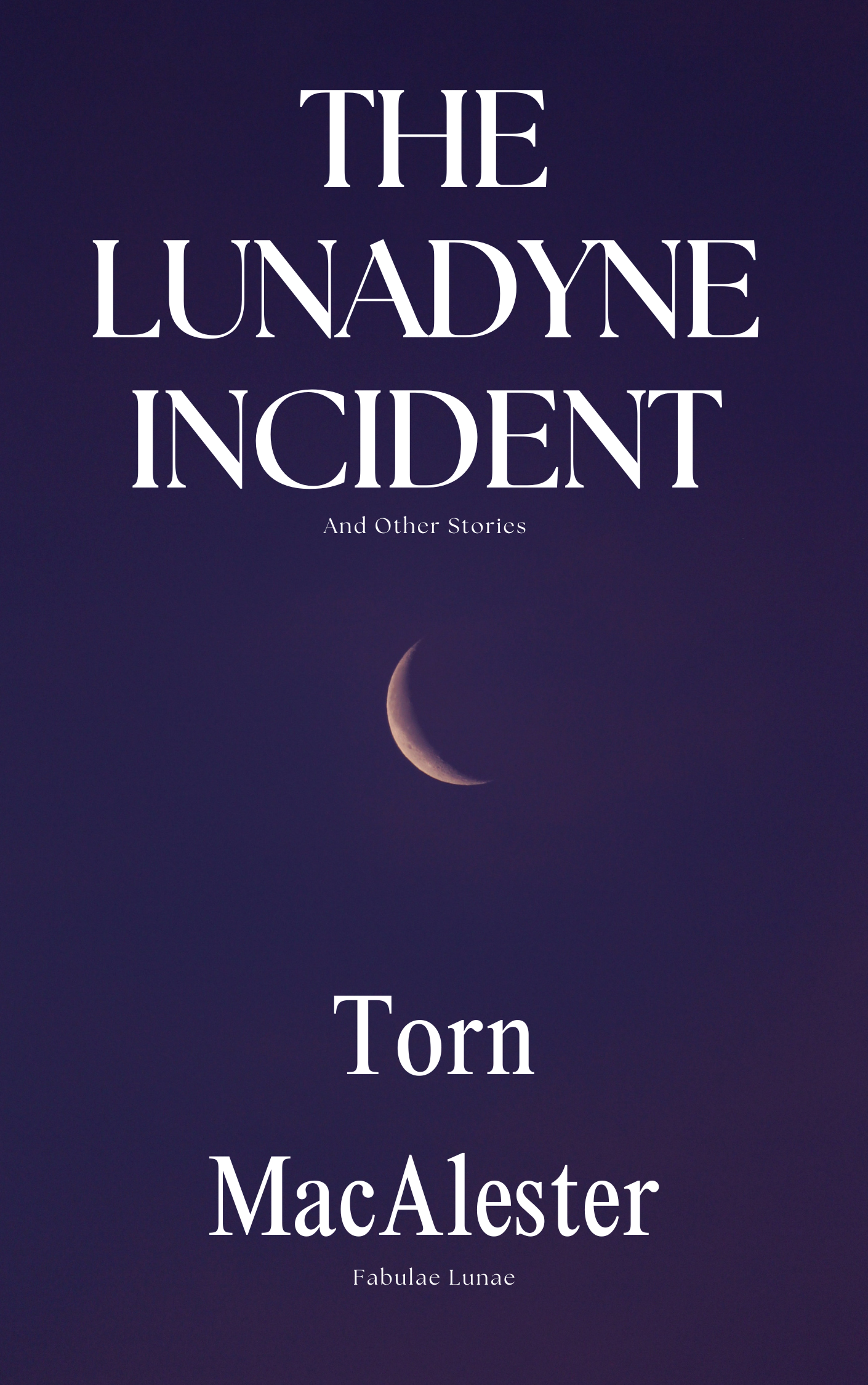
- The Lunadyne Incident and Other Stories — “Descent into Darkness”
- Lunar Signals – Permanent Shadow
- Frontier Foundations – Dark Craters
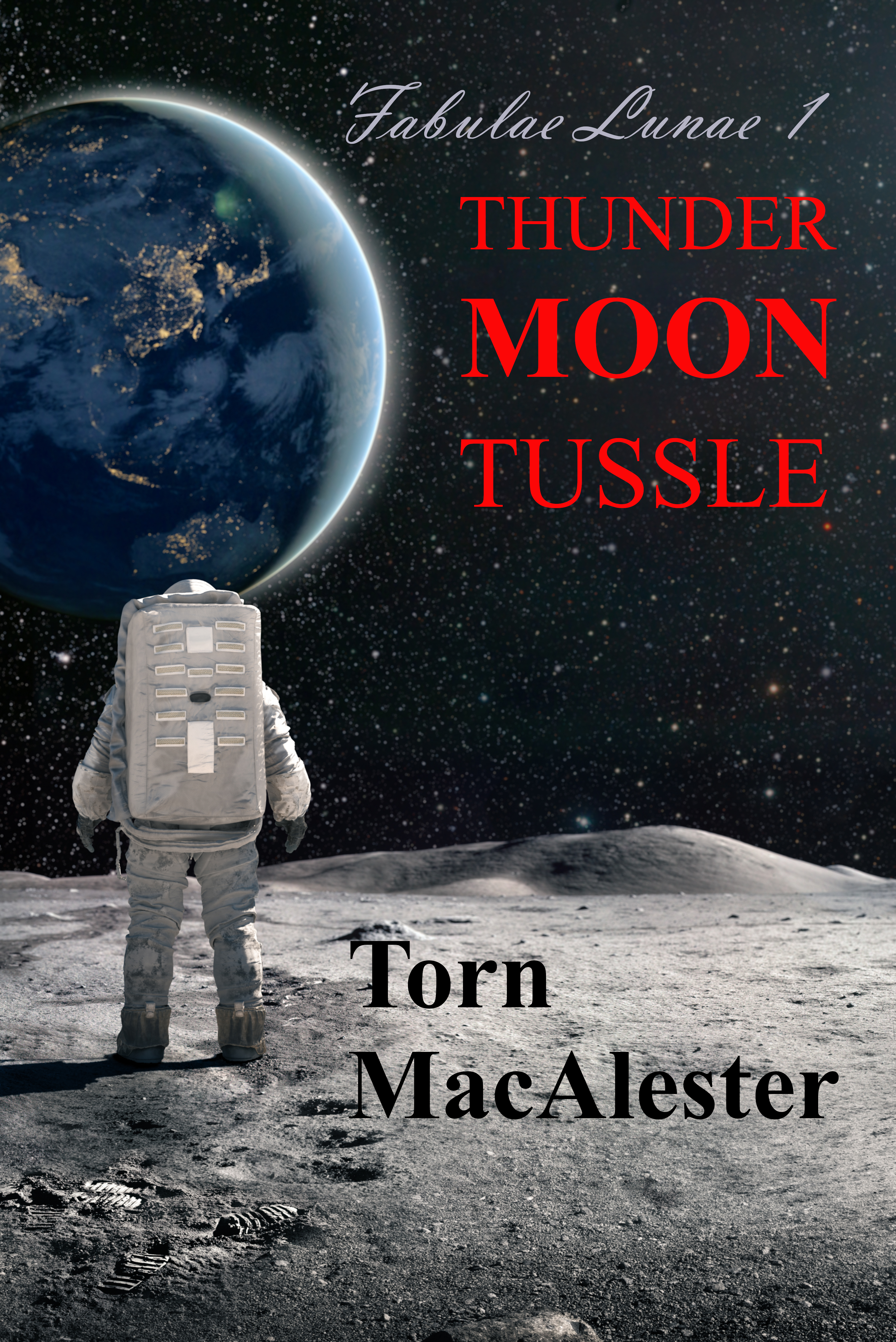
- Thunder Moon Tussle
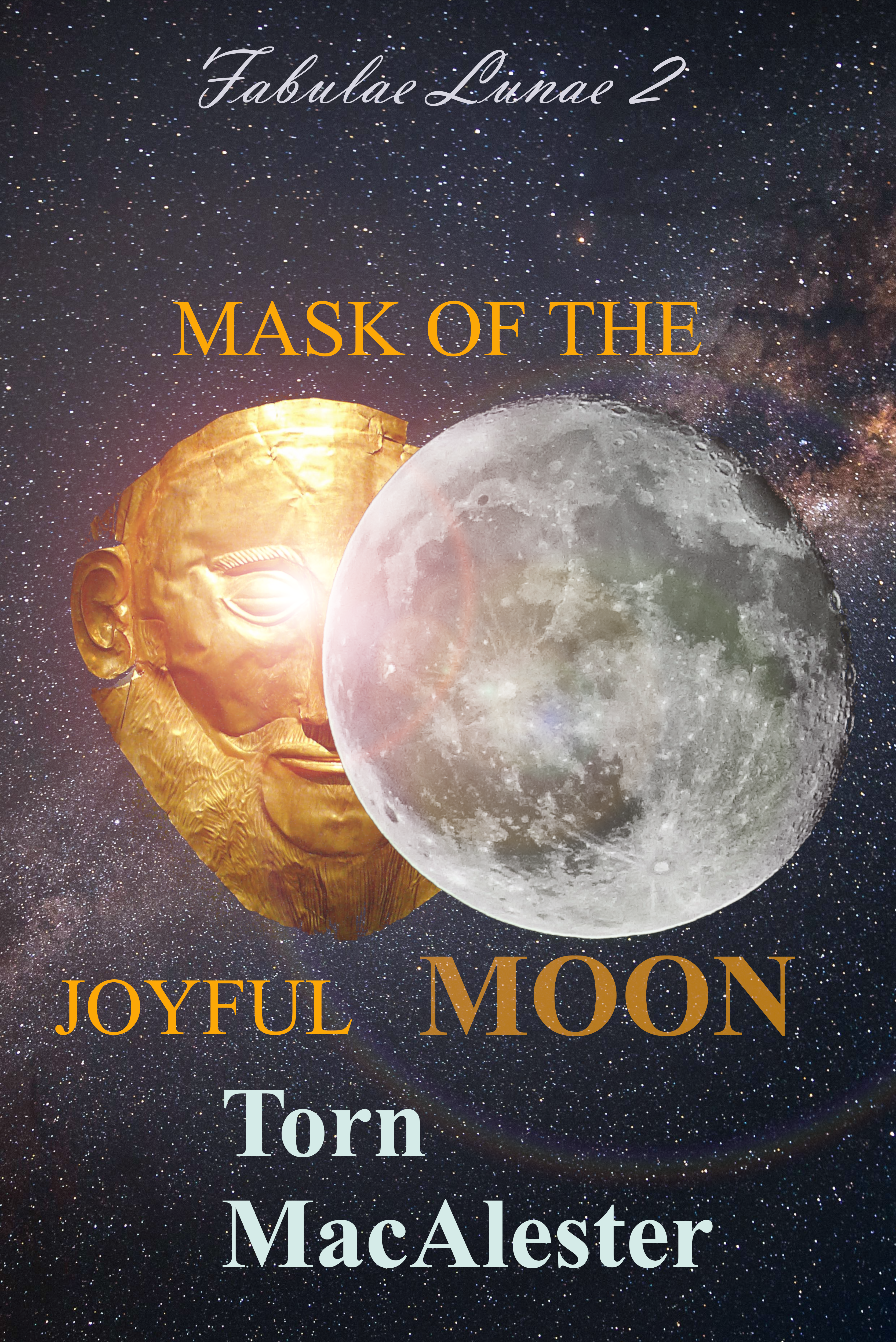
- Mask of the Joyful Moon
- Related site posts: EVA Reality, The Water Economy, Nils Carmike
The Joyful Moon is still watching…
and some shadows still hold water.
— Torn MacAlester
Still riding the trails with Nils, Gen, and the whole Fabulae Lunae crew
🚀🌕
 |
 |
 |
|
StoriesThe stories of Torn MacAlester are science fiction, where the science is well-grounded. I intentionally made any deviations for speculative purposes. To maintain maximum realism, I restrict the scope of these deviations. |
ArticlesI write articles of science fact and science fiction. The articles here span the knowledge of modern science and the speculations of fiction. I try to caveat everything that is an assumption. You will find articles about spaceflight, the possibilities of alien contact, and descriptions of technology used in my stories. |