Life on the Frontier – The Sound of the Recyclers
The background hum that means the station is still alive, and what people notice when it changes.
Lunar noir hard science fiction: justice is personal, and backup is three days away.
At Conrad Station you learn to listen before you look at a panel.
The recyclers never stop. Air, water, condensate, the thin chemistry that keeps a habitat from becoming a tomb — all of it has a sound. Not loud. Not dramatic. A layered hum in the bulkheads and under the deck, a pressure-change tick in the ducts, a fan tone that shifts half a note when a filter loads up with dust. People who last on the frontier sleep inside that noise. They wake when it changes.
The Practice
In one-sixth gravity, fluids do not fall the way Earth minds expect. Recyclers have to pull, not pour. Pumps, membranes, cold traps, and the oxygen side of the loop all add their own layer to the station’s background. Together they make a signature. Old hands can tell which hab they are in with their eyes shut. Hab D sounds different from the newer stacks. Alex’s Bar has its own overlay — voices, straw-cup lids, a still that should not exist and does — but underneath it the same plant is running.
When the tone drops, someone has isolated a loop. When it rises, a fan is compensating. When it stops, even for a second, every conversation in the corridor stops with it.
How People Use It
Nils Carmike treats the hum the way he treats Rule One. It is not atmosphere. It is information. Gen Miller learned to read it the way she learned to read a room: not as proof, as a prompt. Prospectors coming in from the surface hear it as soon as the lock equalizes and know they are back inside a system that can still fail. Corporate visitors often talk over it until someone tells them to listen.
Nobody files a report that says “the recyclers sounded wrong.” They say the CO2 was trending, or a pump was drawing high, or a filter was due. The sound is how they knew to look. Informal protocol: if two people freeze at the same moment, you do not ask what they heard. You check the plant.
Fragile Trust
The three-day lag means no Earth-side technician is coming to interpret a noise. Local ears are the first alarm. That is a thin kind of trust — not in the machine, which will fail, and not in official channels, which are slow — but in the people who have lived with the hum long enough to know its ordinary shape.
In Thunder Moon Tussle and across the Fabulae Lunae series, the station is never silent when it is alive. Silence is the thing you do not want. The recyclers keep talking. People keep listening. When the pitch changes, the frontier has already started to tell you something. The only question is whether you hear it in time.
Further Reading
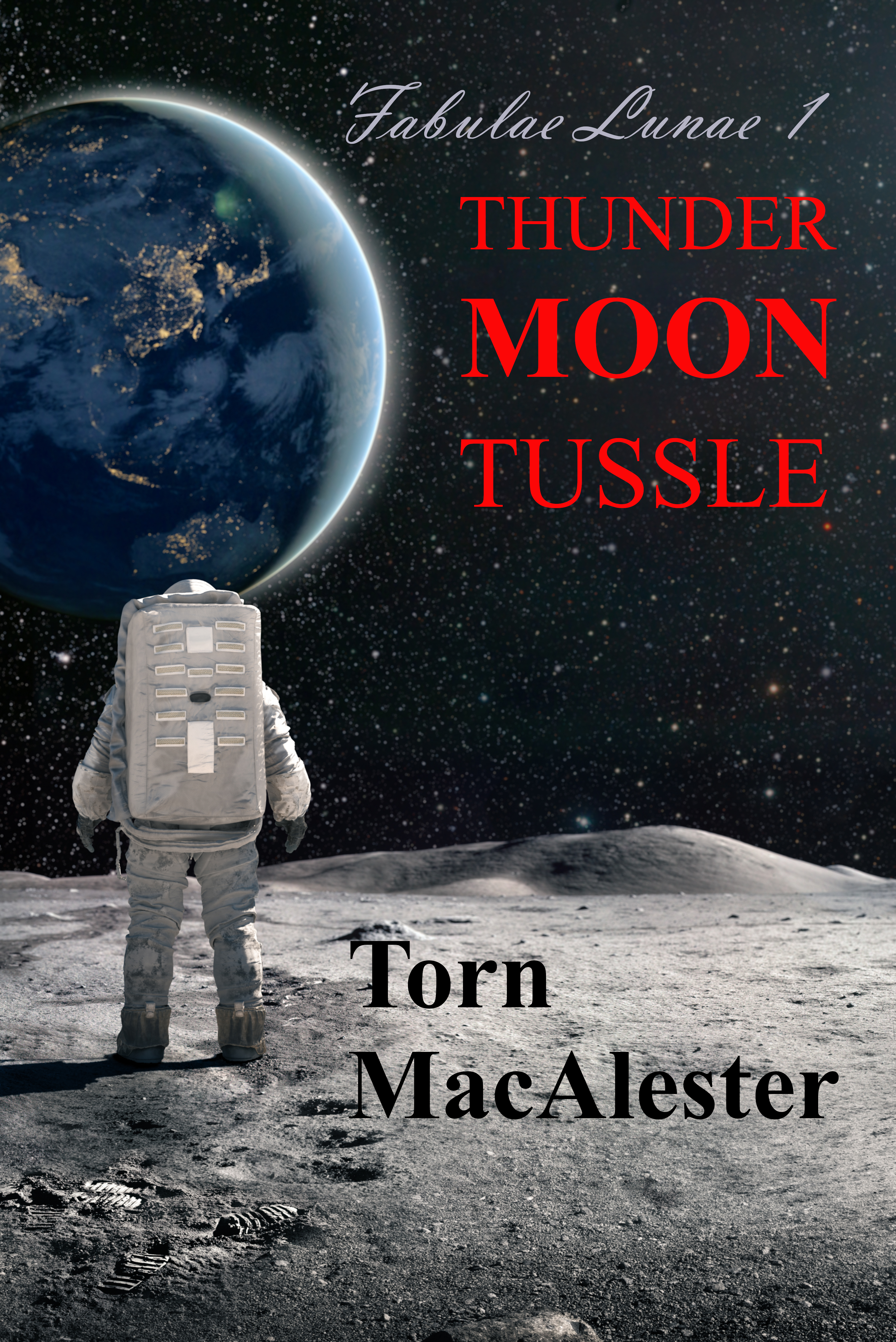
- Thunder Moon Tussle
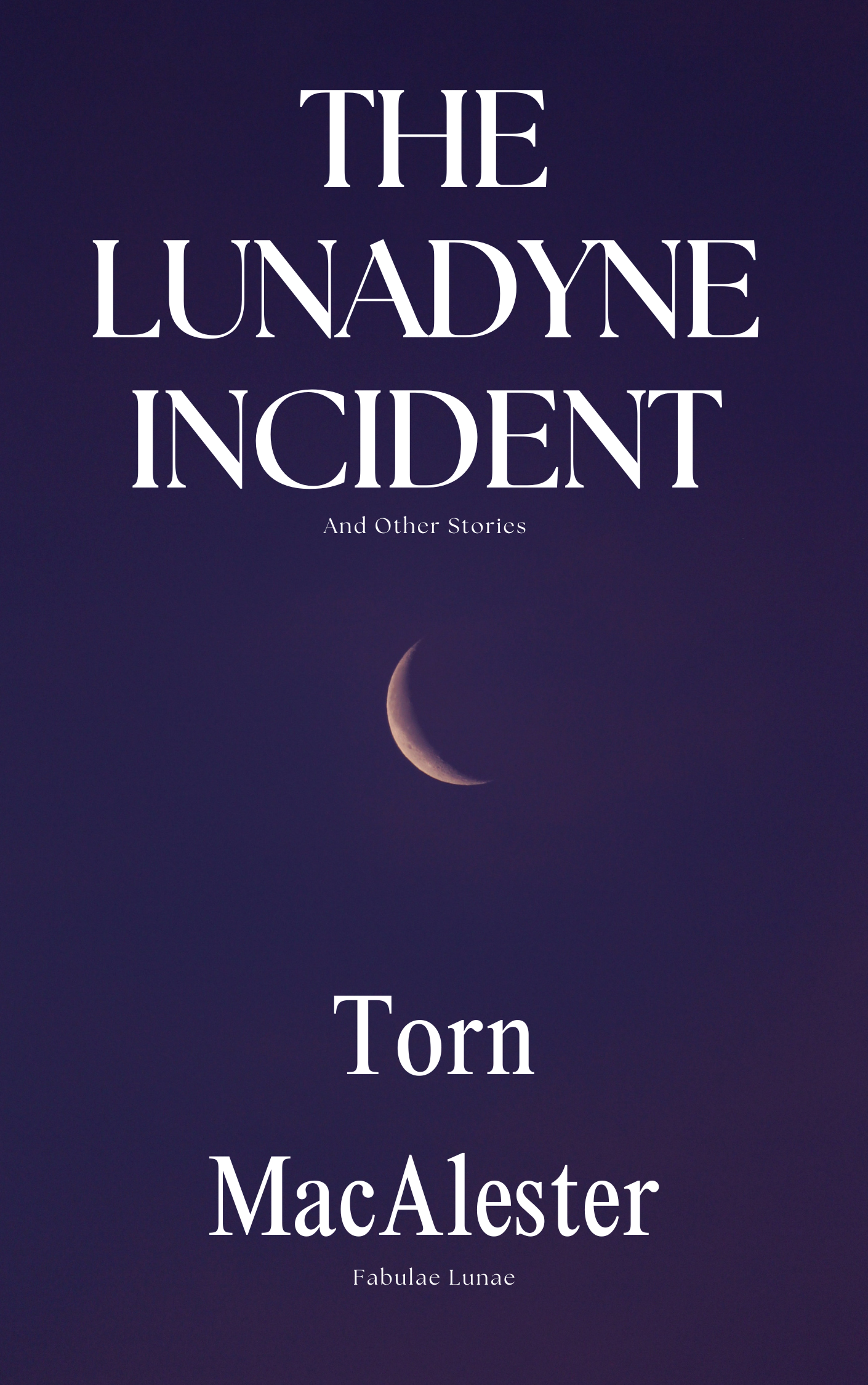
- The Lunadyne Incident and Other Stories
- Mask of the Joyful Moon
- Related site posts: Shift Change, Alex’s Bar, Life Support Margins
The Joyful Moon is still watching…
and the hum still means alive.
— Torn MacAlester
Still riding the trails with Nils, Gen, and the whole Fabulae Lunae crew
🚀🌕

Stories
The stories of Torn MacAlester are science fiction, where the science is well-grounded. I intentionally made any deviations for speculative purposes. To maintain maximum realism, I restrict the scope of these deviations.
Articles
I write articles of science fact and science fiction. The articles here span the knowledge of modern science and the speculations of fiction. I try to caveat everything that is an assumption. You will find articles about spaceflight, the possibilities of alien contact, and descriptions of technology used in my stories.

Outpost
Blog, Reviews, Schedule, Comment Thread, & Reader’s Group.
Read More