Character Spotlight – Mose Seventy-one years old, every class of vehicle, and the commander who told Nils the reprimand no longer applied.
Moon deputy hard science fiction from the trails around Conrad Station.
Open with the person, not the résumé. One concrete fact about how they move through Conrad Station or the trails.
Who Is Mose
Moses “Mose” Crane is Nils Carmike’s commander on Nils’s first lunar flight, the ice-core run into Shackleton that is the spine of Descent into Darkness. In Thunder Moon Tussle, he is already backstory: the man who put Nils on the Moon and whose standard Nils still measures himself against.
Role
Mose, a seventy-one-year-old career astronaut, is undertaking what the team frames as his final flight. He has flown every class of vehicle since the Shuttle. The Astronaut Office has given him an explicit guarantee: what I say goes—including crew selection. He exercises that authority to assign Nils to the third lunar mission after Nils had already lost a seat, received a reprimand, and faced dismissal. He wants Nils because Nils has studied permanently shadowed-region ice retrieval. On the surface, he is the man who cuts through the back-room arguments (surface experiments, geology traverse, retrieve the dead rover) and names the only objective that counts: the core sample. After a near-fatal accident that almost kills him, the vignette Commander shows him still in that role—dismissing the incident, assigning Nils another lunar flight, and refusing Nils’s attempt to decide about Mose’s retirement.
Pressure
The pressure is institutional and personal at once. The agency needs polar ice for water and fuel; fail the sample and every radiation shelter and pad at the pole is an unearned bet. A robot rover is already dead on the crater floor. Going after it costs thermal margin and may cost the core. Nils is the man who already lost one Moon flight, so he splits the difference—descend near the rover, take a core, hook up, drive out—and then cannot sleep with the Moon in the window. Mose’s answer to that pressure is command, not comfort: send Nils amidships, out of line of sight, eyes closed. The later accident that nearly kills Mose loads Nils with guilt and the fear that he lacks “the right stuff.” Mose will not accept that reading. The pressure continues to weigh heavily.
The rule they live by
In the cockpit and on the crater floor, the rule is Mose’s: what I say goes. Astronauts cover astronauts; tele-operators stay out of the hole; the mission is the core.
By the time of Thunder Moon Tussle, with Nils no longer serving as an agency astronaut but acting as a prospector and smuggler alongside Deputy Miller, the book explicitly says they have reduced that command rule to the frontier version: the only rule that matters is survive. The author’s later dispatch language is the same line in station talk: Rule One is Survive. Mose taught the first form. The later books live in the second.
The Longer Shadow
Mose’s authority over Nils does not expire when the commander leaves the flight roster. It changes form. In Descent into Darkness, it is a voice in the headset. By Thunder Moon Tussle, it is a habit of mind Nils cannot quite retire.
What Nils still carries
The first inheritance is the career itself. Nils had already lost a lunar seat, received a reprimand, and the authorities dismissed him. Mose selected him anyway because Nils had studied PSR ice and because the Astronaut Office had given Mose a blank check: what I say goes, including the crew. Everything Nils later becomes—prospector, smuggler, man telling stories at Alex’s for the tab—sits on that one personnel decision. One seventy-one-year-old refused the official reading of his file, which allowed him onto the Moon.
The second is a ranking of risks. Mose cut the back-room list (three EVAs, retrieve the dead rover, geology traverse) down to one sentence: the mission is the core sample. Going after the rover costs the core. Nils split the difference anyway, then regretted the extra EVA the way you regret a loop you cannot take back. That regret becomes the later Nils: Rule One is Survive; unnecessary EVAs wait; the surface kills the careless, the optimistic, and the poorly prepared. Mass is not weight. Dust does not forgive. Help is three days away. They have translated the command rule (what I say goes) into a frontier rule (survive first). Same hierarchy. Different uniform.
The third is a debt he is not allowed to pay the way he wants. After the accident that nearly killed Mose, Nils decided he lacked the right stuff. Mose dismissed the incident, assigned him another lunar flight, and, when Nils tried to decide about Mose’s retirement, told him the path was his own. That rebuke is the hinge between an agency astronaut and an independent operator. Mose would not let Nils turn guilt into a grounding. Nils departed from the agency anyway, maintaining his status as a man still flying rather than as one who had concluded he was done.
The fourth is how he walks in the dark. Mose looking down into Shackleton and saying the floor is colder than Pluto, then sending Nils amidships, out of line of sight, eyes closed. That is an EVA manner: do not stare at the thing that will break you; use what is already there; astronauts cover astronauts; keep the tele-operators out of the hole. Later Nils treats the recycler hum the same way he treats Rule One—not atmosphere, information. He learned to listen before he looks at a panel because a commander once told him to stop looking out the window.
The fifth is the ice rumor. Every later claim, cold-trap story, and corporate interest in polar water sits downstream of that first descent. Nils will dress real detections as someone else’s lunchbox and sell the tale at the bar. Milton has to live with being turned into “Morgan.” The fabrication is Nils’s; the first look into permanent shadow was Mose’s mission.
What other people inherit
They rarely inherit Mose by name. They inherit him through Nils.
• A rule. CME already treats “Rule 1: Survive” as prospector community law, not a private motto. By Mask of the Joyful Moon deputies, prospectors, and station hands move through a culture that has absorbed those lessons, whether they ever sat through one of Nils’s stories or not. Gen learns the corollary: stay inside when the night is long; read the recyclers the way you read a room. The rule left the cockpit and became station custom.
• A rumor. The ice in the dark, the lunchbox, and the tracks across the surface. Milton’s complaint in the Thunder Moon Tussle prologue is the sound of a man living inside a story Nils built from a polar sample Mose made possible.
• A debt. Nils owes Mose the seat, the second chance after the accident, and the refusal to let guilt write the ending. Gen and the later station inherit a different debt: the practical code Nils left when the formal systems thinned out. People cover people. You do not spend an EVA you cannot take back.
• A way of drinking. Not Mose’s glass, but the form that replaced the headset. Nils tells stories for drinks at Alex’s because paying the tab is secondary to staying in the room where information moves. Low‑g cups, straws, surface tension—the same physics lesson as the crater floor, socialized. Milton nurses the drink and the grudge. Tourists buy the improved version. The bar is where command language becomes folklore.
• A way of walking during an EVA. Do not romanticize the surface. Use hardware already on the floor only if it does not cost the sample. Close the sightline when the window is the problem. Come in when Rule One says the trail can wait. That gait is Mose’s, worn down to Nils, then copied by anyone who wants to still be in the story when the night ends.
Mose’s last usable gift is the sentence he would not let Nils dodge: the path is his own. Nils used it to leave the agency. The station used what he carried out of the airlock. The commander is gone. What you may spend and what you may not is still ranked and in circulation.
Further Reading
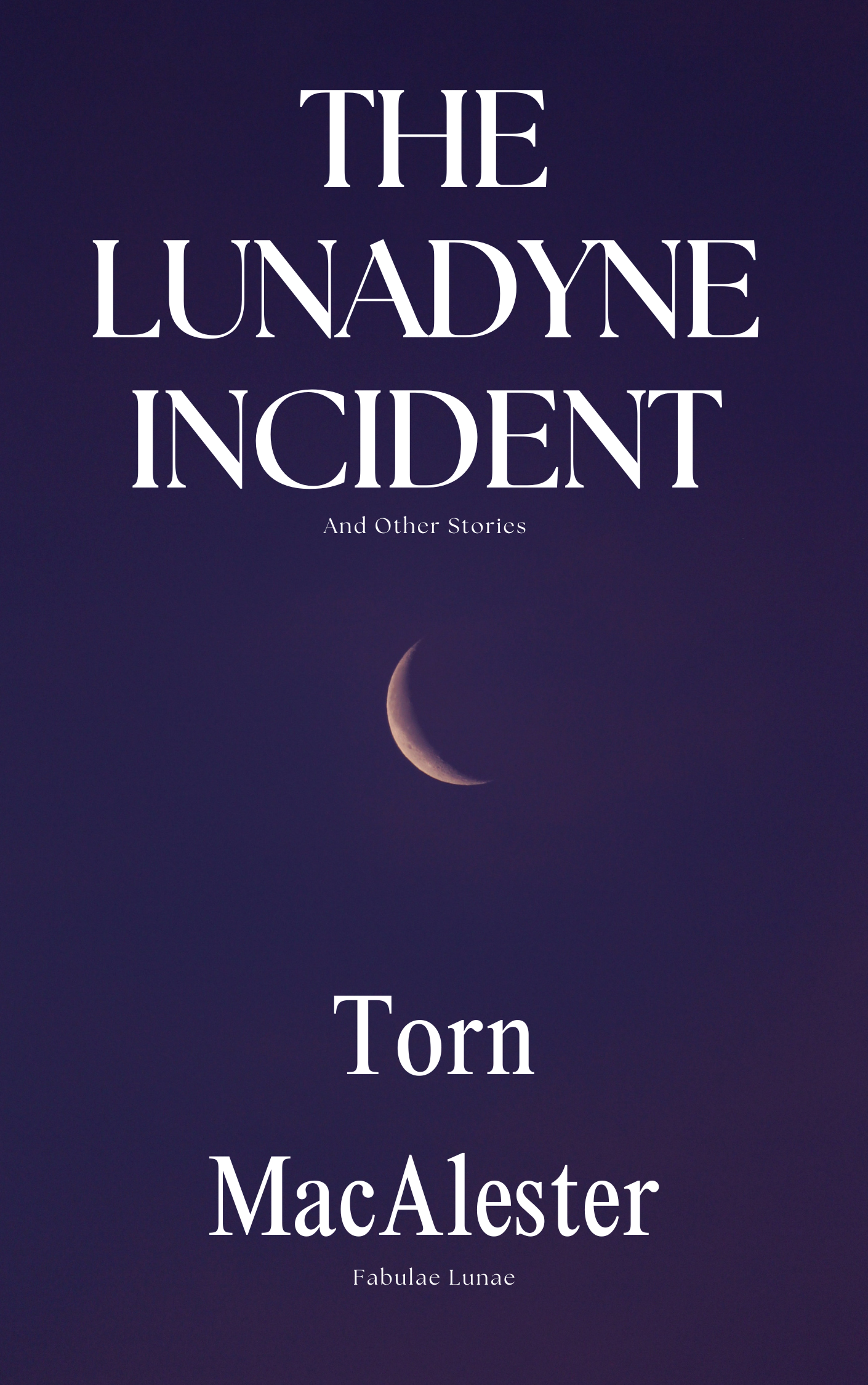
• The Lunadyne Incident and Other Stories
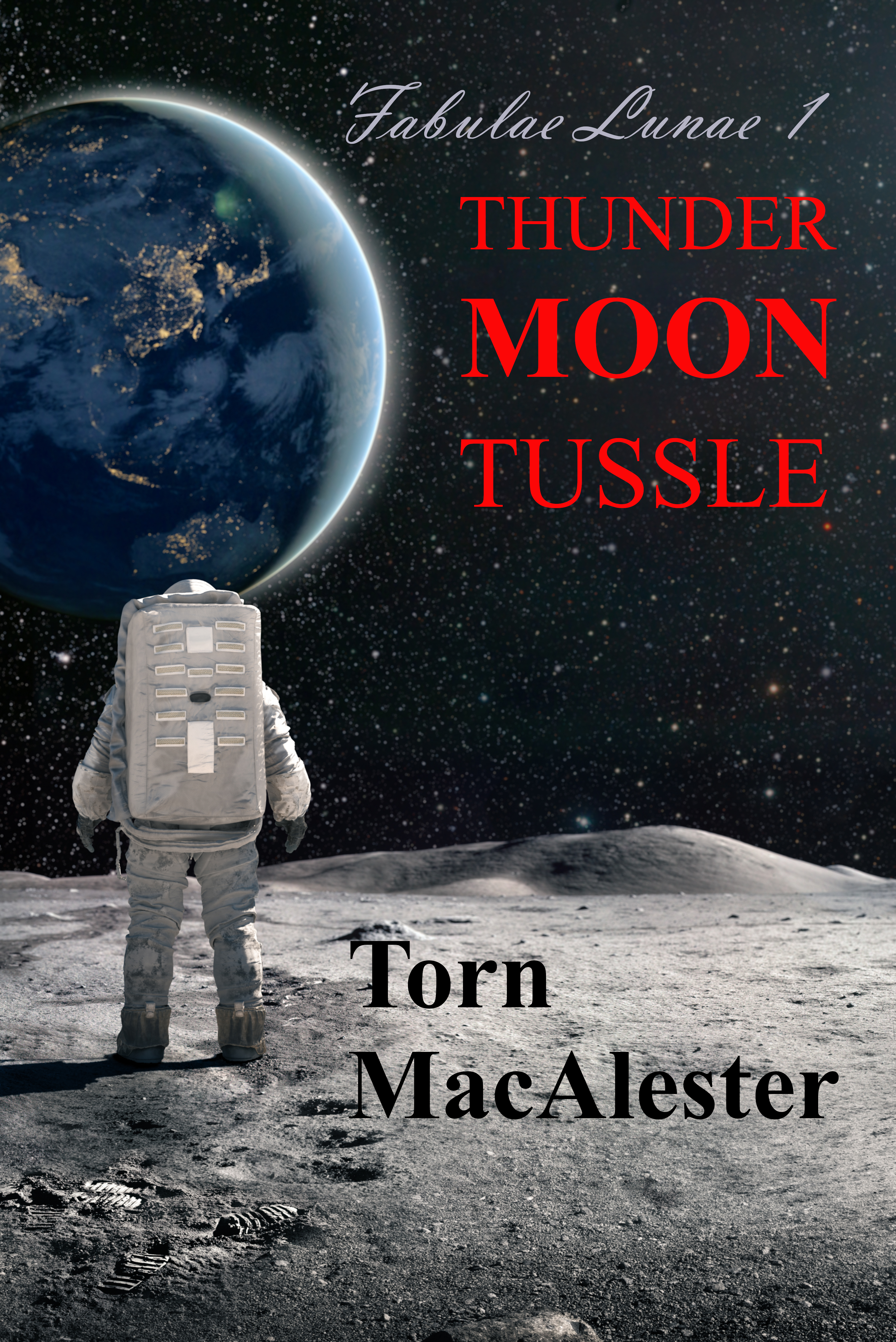
• Thunder Moon Tussle
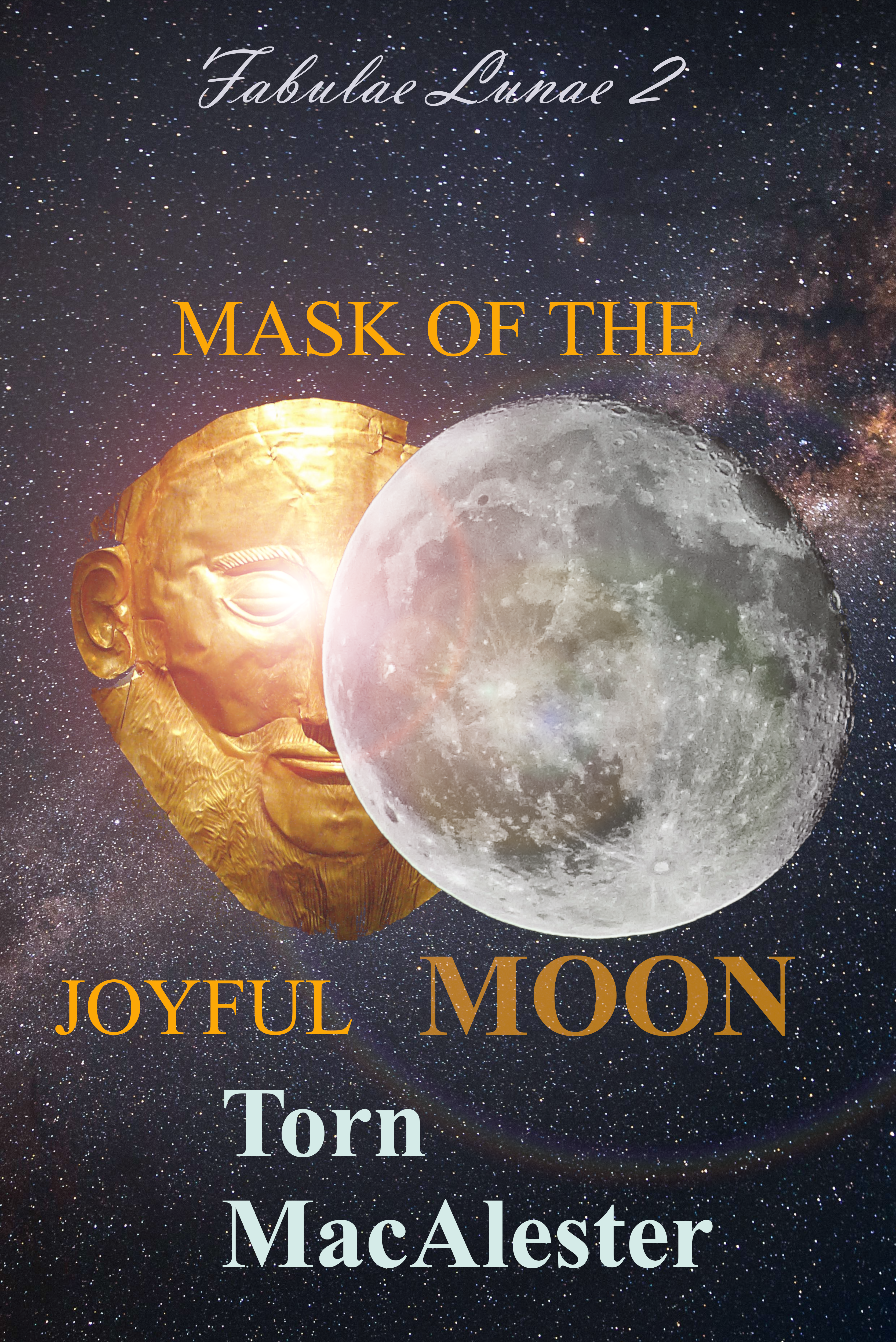
• Mask of the Joyful Moon
• Related site posts:
The Joyful Moon is still watching… and the stories are still being told.
— Torn MacAlester Still riding the trails with Nils, Gen, and the whole Fabulae Lunae crew 🚀🌕
 |
 |
 |
|
StoriesThe stories of Torn MacAlester are science fiction, where the science is well-grounded. I intentionally made any deviations for speculative purposes. To maintain maximum realism, I restrict the scope of these deviations. |
ArticlesI write articles of science fact and science fiction. The articles here span the knowledge of modern science and the speculations of fiction. I try to caveat everything that is an assumption. You will find articles about spaceflight, the possibilities of alien contact, and descriptions of technology used in my stories. |